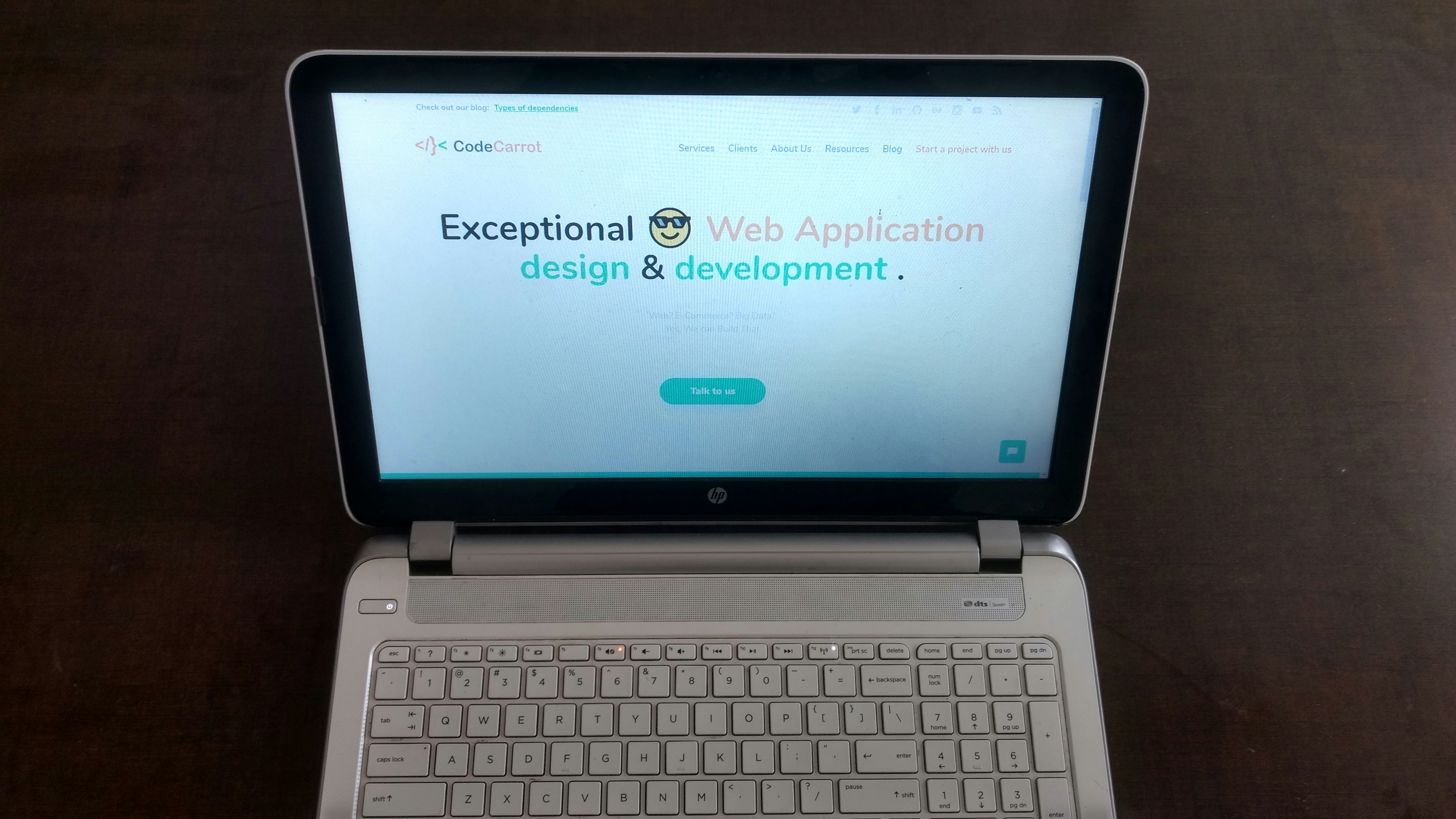
Understanding Professional Website Development
In today’s digital landscape, a well-developed website serves as a critical asset for businesses of all sizes. Professional website development encompasses a comprehensive process that not only focuses on the aesthetic appeal but also integrates functionality, usability, and performance. A robust online presence is essential for engaging potential customers, fostering brand success, and maintaining competitive advantages.
The website development process involves several key components that collectively contribute to creating an effective platform. Firstly, design is paramount, as it encompasses the visual aspects that users interact with. A professional website should reflect the brand’s identity, utilizing appropriate color schemes, typography, and layouts that enhance user experience (UX) and guide visitor navigation.
Coding is the next crucial element in the website development lifecycle. This technical aspect involves writing the underlying code that makes the website operational. Developers typically use a variety of programming languages, such as HTML, CSS, and JavaScript, to build the desired functionality and responsiveness. Ensuring a seamless and efficient site requires proficient knowledge of coding principles and techniques.
Another significant aspect is content management, which encompasses not only the creation of high-quality content but also its organization and maintenance. A website should effectively communicate information to its audience while also enabling businesses to manage and update their contents easily. Content management systems (CMS) are often employed to streamline this process, allowing for regular updates and optimizations without requiring extensive technical skills.
In conclusion, understanding professional website development involves grasping the intricate interplay between design, coding, and content management. Each component is essential in building a website that not only attracts visitors but also converts them into loyal customers. Thus, investing in professional website development services is a vital step for businesses aiming to thrive in the ever-evolving digital landscape of 2026.
Essential Features of a Professional Website
In today’s digital landscape, a professional website serves as a critical touchpoint for businesses seeking to establish their online presence. Among the essential features, responsive design stands out as a top priority. A responsive website adjusts seamlessly to various devices and screen sizes, ensuring that users have an optimal viewing experience whether they are using a desktop, tablet, or smartphone. This adaptability not only enhances user engagement but also positively impacts search engine rankings, as search engines prioritize mobile-friendly sites.
Another fundamental aspect is user-friendly navigation. Visitors should be able to find information quickly and easily. Clear menus, well-defined categories, and a logical flow of content can significantly improve user experience. Implementing breadcrumbs and a search function also aids usability, making it easier for users to explore the site without frustration.
Search Engine Optimization (SEO) is also a critical feature. A professionally developed website must incorporate SEO best practices to ensure visibility on search engines. This includes using proper metadata, relevant keywords, and an effective linking strategy. By optimizing content for search engines, businesses can attract organic traffic, increasing their chances for lead generation and conversions.
Security measures cannot be overlooked. A professional website should employ SSL certification to protect user data and establish trust. Additionally, ongoing security updates and monitoring can prevent data breaches, safeguarding both the business and its customers from potential cyber threats.
Last but not least, integration with social media and analytics tools plays a significant role in a comprehensive web strategy. Social media integration allows businesses to connect with their audience across platforms, facilitating marketing efforts and enhancing brand visibility. Meanwhile, integrating analytics tools provides insights into user behavior, allowing businesses to make informed decisions based on performance data.
The Importance of Custom Design vs. Templates
In the realm of website development, businesses often face a crucial decision between utilizing custom website design or opting for pre-made templates. Each option comes with its unique set of advantages and potential drawbacks, and understanding these is essential for making an informed choice that aligns with a company’s brand identity and target audience.
Custom website design offers a profound level of personalization. Tailored to reflect a business’s specific values, mission, and brand aesthetics, a custom approach ensures that every aspect of the site communicates the intended message effectively. This level of personalization can lead to a stronger emotional connection with users, enhancing their overall experience and fostering brand loyalty. Furthermore, custom designs are often optimized for performance, providing a unique user interface (UI) that can improve engagement metrics.
However, the investment required for custom website design can be considerable. From initial consultations to development and ongoing maintenance, costs can escalate quickly, making it a significant commitment for small businesses. Additionally, longer development timelines may lead to delays in launching the website, which can impact immediate marketing strategies.
On the other side, pre-made templates present an appealing alternative, particularly for startups or companies with limited budgets. These templates typically offer a quicker turnaround time, allowing businesses to establish an online presence swiftly. The range of available templates means that there is a high likelihood of finding one that closely aligns with a business’s brand identity, while the lower financial commitment makes it an accessible option for many.
Nonetheless, reliance on templates can limit differentiation in the market. With numerous businesses potentially using the same design, it may become challenging to stand out in a crowded digital landscape. Additionally, templates may not be as flexible or scalable, leading to challenges if a business needs extensive customizations in the future.
In conclusion, when deciding between custom website design and pre-made templates, businesses must carefully consider their brand identity, budget constraints, and long-term needs. Each option carries distinct advantages and drawbacks, making it imperative to analyze which approach is most suitable for their specific situation.
Choosing the Right Web Development Approach
In the dynamic landscape of web development, businesses face a crucial decision: selecting the appropriate approach that aligns with their project needs and team capabilities. Understanding various methodologies is fundamental in making an informed choice. Three prominent approaches in web development include traditional, agile, and DevOps.
The traditional approach, also known as the waterfall model, follows a linear progression through predefined stages such as requirements gathering, design, implementation, testing, and maintenance. This method can be effective for projects with clearly defined requirements and scope, as it provides a structured framework. However, its rigidity can be a drawback, especially in rapidly changing environments where client needs may evolve throughout the development process.
On the other hand, the agile approach offers greater flexibility and adaptability. This iterative methodology allows for continuous feedback and quick adjustments during development. Agile promotes collaboration between cross-functional teams, enabling businesses to respond promptly to changing market demands and user expectations. It is particularly beneficial for projects where requirements are anticipated to evolve, making it a popular choice among startups and innovative companies.
DevOps, a relatively newer approach, merges development and operations to enhance collaboration, efficiency, and quality throughout the software development lifecycle. By fostering a culture of shared responsibility and automating processes, businesses can achieve faster delivery of applications and services. DevOps is advantageous for organizations looking to enhance their deployment frequency and improve product quality.
Choosing the right web development approach requires careful consideration of several factors including project complexity, timeline, team structure, and the level of stakeholder involvement. A thorough analysis of these aspects will aid businesses in selecting the approach that not only fulfills their unique requirements but also leverages the strengths of their development teams. This strategic decision sets the groundwork for a successful web development process, ensuring that businesses are well-equipped to navigate the challenges of the digital landscape.
Key Considerations When Hiring a Development Team
When businesses seek to hire a web development team, it is crucial to consider several key factors that significantly influence the success of their projects. The skills and experience of the team are paramount. A developer who possesses a comprehensive understanding of various programming languages and frameworks will likely produce more robust and innovative solutions. Review their technical skills and ensure they align with the specific needs of your project, such as whether you require expertise in front-end development, back-end development, or both.
Next, examine the team’s portfolio. A well-curated selection of their past work can provide invaluable insights into their capabilities and creative style. Look for projects similar to what you envision, as this indicates that they can adapt and deliver the kind of outcome you expect. Assessing their previous work also helps ascertain if they can manage the complexity of your requirements and innovate as needed.
Communication is another vital component when hiring a web development team. Effective communication not only ensures that your ideas are clearly understood but also facilitates the exchange of feedback throughout the development process. A team that maintains transparency can swiftly address any concerns that arise, creating a more collaborative environment. During preliminary discussions, gauge their responsiveness and ability to articulate ideas clearly.
Finally, it is essential for the development team to demonstrate a strong understanding of client needs. They should be willing to invest time in assessing your business objectives, target audience, and specific expectations. A team that approaches projects with a client-centric mindset is more likely to deliver outcomes that resonate with your audience. By focusing on these considerations—skills, portfolio, communication, and understanding client needs—businesses can select a web development team that aligns with their goals and enhances their online presence.
The Role of Content Management Systems (CMS)
In the realm of website development, Content Management Systems (CMS) play an integral role, providing users with the ability to create, manage, and modify content without requiring extensive technical knowledge. A CMS simplifies the process of building and maintaining websites, empowering businesses to focus on their core operations. As businesses and organizations navigate the digital landscape, understanding the significance of CMS becomes essential.
Among the most widely used CMS platforms is WordPress, which powers a substantial percentage of websites globally. Its user-friendly interface makes it particularly appealing to small and medium-sized businesses. WordPress offers a myriad of themes and plugins that enhance functionality and design, allowing companies to tailor their websites to meet specific branding and marketing needs. Moreover, the platform’s robust community support and extensive resources ensure that users can find solutions and updates readily.
Joomla is another notable CMS that strikes a balance between ease of use and flexibility. It caters to users with slightly more technical expertise while providing a comprehensive framework for building complex sites. Joomla is particularly favorable for businesses looking for e-commerce capabilities and dynamic web applications. Its strong user community and multitude of extensions facilitate the development of feature-rich websites.
On the other hand, Drupal is favored by larger organizations and those requiring highly customizable websites. While it has a steeper learning curve, Drupal offers unparalleled flexibility and scalability, making it ideal for complex and high-traffic sites. Its built-in security features are particularly advantageous for businesses handling sensitive information.
Each of these platforms—WordPress, Joomla, and Drupal—serves unique business needs and objectives. Understanding the capabilities and limitations of each CMS will enable organizations to choose the right platform that aligns with their goals, thus enhancing the overall effectiveness of their online presence.
Maintaining and Updating Your Website
Website maintenance and updates are crucial components of sustaining an effective online presence. Businesses must engage in regular practices to ensure their websites remain functional, secure, and relevant to their audience. One of the essential best practices is to keep content fresh. Frequent updates to blog posts, service pages, and product descriptions not only improve a site’s credibility but also enhance its search engine rankings. Search engines favor websites that consistently provide new content, which can lead to increased visibility and traffic over time.
Additionally, security updates are fundamental to protecting both the website and its users. As cyber threats continue to evolve, it is imperative that business owners apply the latest security patches and updates to their content management systems, plugins, and themes. This proactive approach helps to defend against vulnerabilities and potential breaches, thereby safeguarding sensitive customer data. Implementing robust security measures, such as SSL certificates and regular backups, plays a vital role in maintaining the integrity of the website.
Continuous improvement of user experience (UX) is another critical aspect of website maintenance. Monitoring user behavior through analytics can provide insights into how visitors interact with the site. This information can inform necessary design changes or feature enhancements that facilitate easier navigation and greater engagement. A user-friendly interface, optimized loading speeds, and mobile responsiveness contribute substantially to retaining visitors. By prioritizing UX, businesses can ensure that their websites meet the evolving expectations of their target audience.
In conclusion, regular maintenance and updates are vital for the longevity and effectiveness of a business website. By focusing on keeping content fresh, maintaining strong security protocols, and enhancing user experience, businesses can foster a successful digital presence that attracts and retains visitors effectively.
Future Trends in Website Development for 2026
As we approach 2026, the landscape of website development is poised for significant evolution driven by technological advancements and user expectations. One of the most notable trends anticipated is the integration of artificial intelligence (AI) into web development services. This technology will not only augment user experience through enhanced personalization but also automate various aspects of design and maintenance. AI algorithms can analyze user behavior, allowing for tailored content delivery that meets the needs of individual visitors, ultimately leading to higher engagement rates.
Another important trend is the growing emphasis on voice search compatibility. As voice-activated assistants like Siri, Alexa, and Google Assistant become increasingly prevalent, businesses must adapt their websites to support voice search functionalities. This entails optimizing content for natural language processing and ensuring that website navigation is intuitive for voice commands. Companies should focus on incorporating frequently asked questions (FAQs) and structured data to enhance visibility in voice search results, ensuring their services remain competitive.
Enhanced security features are also expected to be at the forefront of website development in 2026. With the rise in cyber threats and data breaches, prioritizing website security will be paramount for developers. Implementing advanced encryption protocols, multi-factor authentication, and regular security audits will become standard practices. Businesses must invest in robust cybersecurity measures to protect sensitive information and instill confidence in their users.
In addition to these primary trends, companies are likely to embrace responsive design solutions that cater to the burgeoning use of mobile devices. The need for seamless experiences across various platforms will drive developers to design websites that adapt flawlessly to different screen sizes and dimensions. Furthermore, the incorporation of augmented reality (AR) may enhance customer interactions, providing immersive experiences that engage users more effectively.
By staying informed about these future trends, businesses can strategically position themselves to leverage upcoming technologies and meet the evolving demands of their customers in 2026.
Conclusion: Investing in Quality Website Development
In the rapidly evolving digital landscape of 2026, investing in quality website development services is not merely an option for businesses, but a necessity. As companies increasingly depend on their online presence to drive customer engagement and sales, the importance of having a professionally developed website cannot be overstated. A well-designed website serves as a digital storefront, offering a reflection of the brand’s values and commitment to quality.
This guide has explored various aspects of professional website development, highlighting how effective websites contribute to a stronger market position and better customer interactions. From user experience and mobile responsiveness to search engine optimization and security features, each component plays a critical role in building a successful online presence. Furthermore, the integration of modern technologies such as AI and analytics can provide valuable insights, enabling businesses to tailor their online offerings to meet the specific needs of their audience.
As organizations weigh their options for website development, it is crucial to prioritize the selection of a reputable service provider. The choice made today will significantly impact not just immediate outcomes but also long-term business objectives. Investing in quality website development can enhance brand trust and expand reach, ultimately leading to sustainable growth in an increasingly competitive market. In conclusion, businesses should approach web development as a strategic investment rather than a cost and consider the immense potential it holds for their future success.